
2021-05-06
文章导读
《上海市生活垃圾管理条例》自2019年7月1日起实施,加强了公众对废物管理重要性的认识。中国的生活垃圾年产量超过1.5亿吨,累计达到70亿吨,低利用率造成越来越多的污染和土地占用。从源头进行垃圾分类目前是世界上许多国家“垃圾管理条例”的要点之一,但在执行时仍然存在许多障碍。
近年来,有大量的垃圾分类相关的计算机视觉研究,但多数是为了大规模废物的分类,而不是用于家庭使用,垃圾识别的准确率不高。另有研究发现,识别特定垃圾的准确性高于识别混合垃圾的准确性,这表明多级算法可以提供更高的精度。
本文提出了一种新型用于垃圾分类的两级垃圾识别检索算法,第一阶段是训练识别模型(RegM),基于13个子类别进行废物识别。第二阶段是建立识别检索模型(RevM),将识别出的子类别分为四大类(可回收垃圾、干垃圾、湿垃圾、有害垃圾)。设计并制造了一台自动分拣机,并于人工分拣进行了对比实验。
原文摘要
本文的主要目的是利用计算机视觉对生活垃圾进行分类,并根据四分法进行自动分类。提出了一种新的两阶段垃圾识别检索算法(W2R)。第一阶段是训练识别模型(RegM),基于13个子类别进行废物识别。第二阶段是建立识别检索模型(RevM),将识别出的子类别分为四大类。同时,训练了一级垃圾分类模型(ClfM)作为对比,选择性能最好的两种模型,分别安装在自动分拣机上,对一组垃圾进行分类对比实验。该机器由三个主要模块组成:计算机视觉模块、分拣模块和定制模块。同时,它也是一个数据收集平台。在人工分拣(MS)实验中,10名参与者对同一组垃圾进行了分拣和归类。实验结果表明,RevM的平均准确度为94.71% ±1.69,显著高于ClfM-VGG的69.66%±3.43和MS的72.50%±11.37。
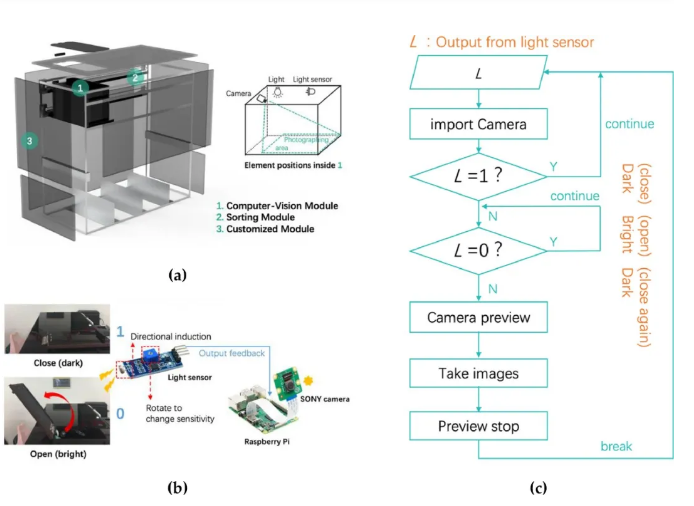
图1 (a)自动分拣机的爆炸图和计算机视觉模块的内部布置。(b)摄影系统的原理。(c)捕捉拍摄时间的策略。
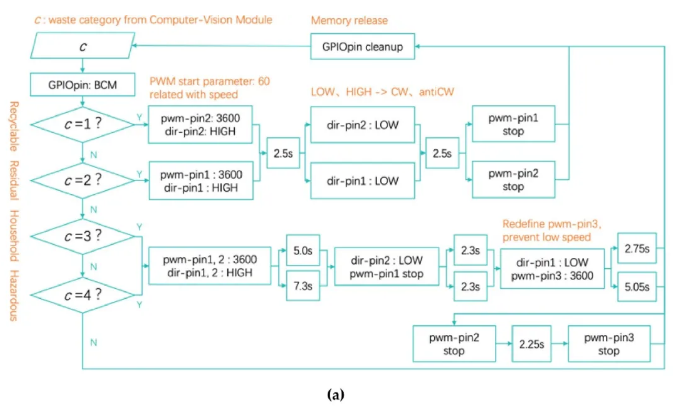
图2 (a)不同类别垃圾的分类策略。(b)垃圾分类的移动路线。(c)四级控制系统方案。
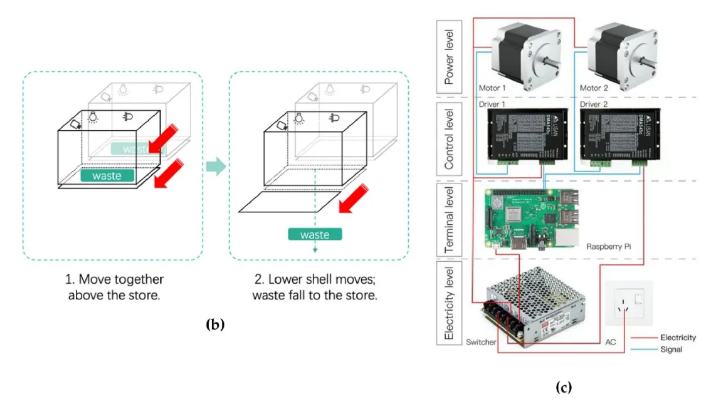
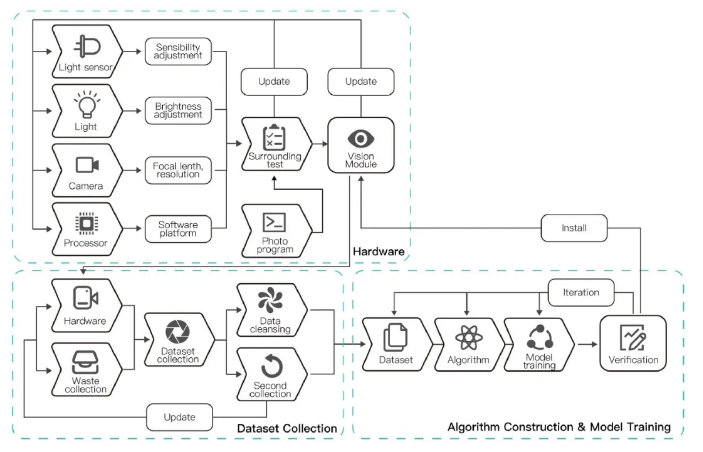
图3 数据集构建和后续模型培训方案
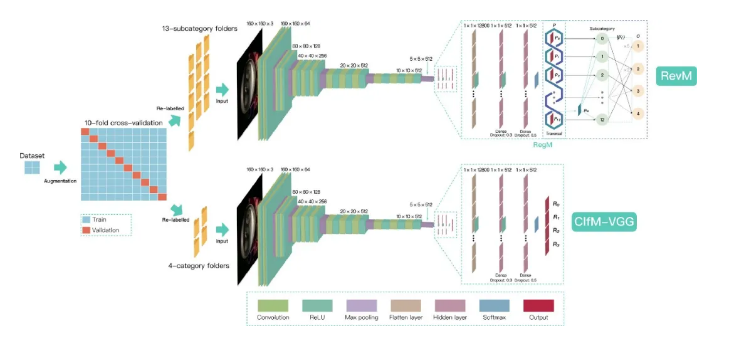
图4 W2R算法和ClfM-VGG训练的流程。
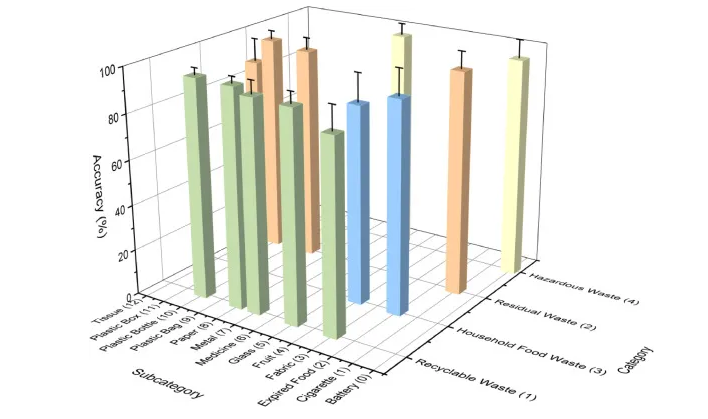
图5 RegM的测试结果。
原文信息
Abstract
The main objective of this study is to classify domestic waste via computer visionand sort it automatically according to the four-category regulation. A novel two-stage Waste Recognition-Retrieval algorithm (W2R) is proposed. Its first stage was to train a Recognition Model (RegM) recognizing waste into one of thirteen subcategories. The second stage was to construct the Recognition-Retrieval Model (RevM) classifying the recognized subcategory into one of four categories. Meanwhile, a one-stage waste Classification Model (ClfM) was trained as a comparison. Both best-performing models were selected and installed respectively onto the automatic sorting machine for contrast experiment classifying a set of waste. The machine consisted of three main modules: the Computer-Vision Module, the Sorting Module, and the Customized Module. It was also a platform for data collection. Ten participants also classified and sorted the same set of waste in the experiment of Manual Sorting (MS). The experimental results show that the average accuracy of the RevM, 94.71% ± 1.69, was significantly higher than that of the ClfM-VGG, 69.66% ± 3.43, and that of the MS, 72.50% ± 11.37.