
2022-01-18
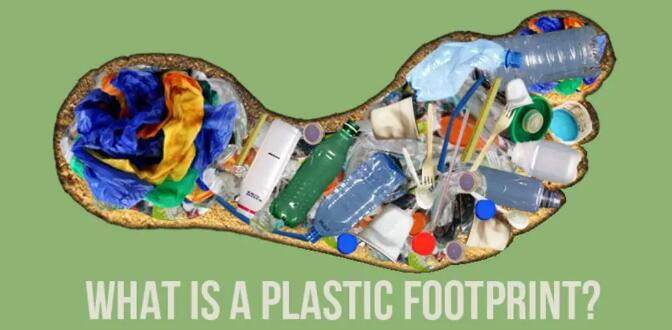
文章导读
塑料是全球生产和消费系统中使用量最大的材料之一。近年来,由于一次性塑料的大量使用、海洋垃圾以及微塑料释放量的不断增加,塑料污染愈发严重,尤其是海洋塑料污染。虽然目前针对塑料流动和海洋垃圾环境影响的研究不断增加,但仍缺乏环境影响评价的相关数据。基于此,本研究估算了2014年欧盟的塑料足迹,并揭示了塑料成为海洋垃圾的潜力。
文章亮点
1. 欧盟居民的塑料足迹为人均每年84kg至129kg;
2. 包装行业和三种聚合物(LDPE, PP和PET)主导着塑料流;
3. 比较了基于文献数据和基于消费数据估算的塑料足迹;
4. 基于海滩垃圾数据估算了单位产品的垃圾产生潜力;
5. 塑料足迹和垃圾产生潜力数据是制定欧盟干预政策优先级的关键。
原文摘要
虽然塑料是全球最常使用的材料之一,但塑料在价值链上的流动信息通常是缺失的。本研究旨在采用不同的方法,对欧盟的塑料足迹进行估算,并估算相应海洋垃圾的产生潜力。通过对物质流分析研究进行综述并获取数据,从而估算欧盟塑料流动情况。综述结果表明,针对欧盟塑料生产和消费,尚缺乏完整且同质的估算,且某些具体行业的详细数值也是缺失的,例如渔业、医疗保健、电气和电子设备。将基于文献数据与基于消费数据(例如PRODCOM数据库)的估算值进行了对比。2014年,基于文献数据估算的塑料足迹为人均84kg,而基于消费数据估算得到的结果为人均129kg(2010年至2019年的平均值为人均112kg)。包装占基于文献数据估算总足迹的27.9%,而占基于消费数据估算总足迹的23.6%。其中,最主要的三种聚合物为LDPE, PP和PET。关于海洋垃圾产生潜力,根据欧盟海滩垃圾观察值和塑料统计数据,海滩垃圾率约为已消耗塑料的百万分之一。综上,本研究对欧盟塑料足迹和塑料垃圾产生潜力的估算方法进行了改进,同时进一步收集了数据,对欧盟评估和减少塑料对环境的影响具有重要意义。
ABSTRACT
Despite plastic being one of the most used materials globally, information about plastic flows in value chains is generally lacking. The present study aims at estimating the European Union (EU) plastic footprint (including production and consumption flows) by combining different approaches, as well as at estimating marine littering potentials. Plastic flow estimates build on a literature review of studies on material flows analysis to gather available data. The review highlights the lack of complete and homogeneous estimates of EU plastic production and consumption, as well as detailed figures for specific sectors (e.g., fishing, healthcare, electrical and electronic equipment). Data retrieved from literature were compared with estimates based on consumption statistics (i.e., PRODCOM database). Estimates for 2014 based on literature equals to 84 kg/person, whilst results derived from PRODCOM for the 2014 equals to 129 kg/person (with an average of 112 kg/person for the period 2010–2019). Packaging contributes to 27.9% of the overall footprint in the case of the literature-based approach (23.6% in the case of PRODCOM results), which is dominated by three polymers (LDPE, PP and PET). Concerning the marine litter potential, beach litter rates -based on EU beach litter observations and plastic statistics- were in the order of 10000 part per million of the consumed plastic.. This study unveiled that methodological improvements in estimates of the EU plastic footprint together with plastic littering potential, as well as further data gathering, are fundamental steps for fulfilling the EU ambitions to assess and reduce the environmental impacts of plastics..