
2021-05-31
原文链接
https://www.sciencedirect.com/science/article/abs/pii/S0921344921002275
图片来源于网络(侵删)
文章亮点
(1)分析循环经济框架如何体现在农业体系中。
(2)为循环农业生产系统提供了新的定义。
(3)评估了循环指标在农业中的应用范围。
(4)讨论了在农业中采用循环经济模式的挑战。
(5)提供了未来的研究方向和制度变革。
文章导读
摘要
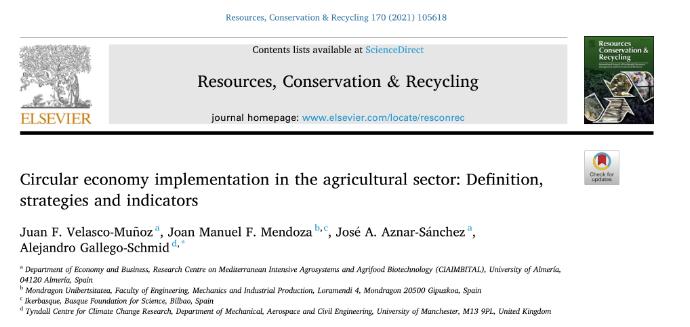
原文信息
ABSTRACT
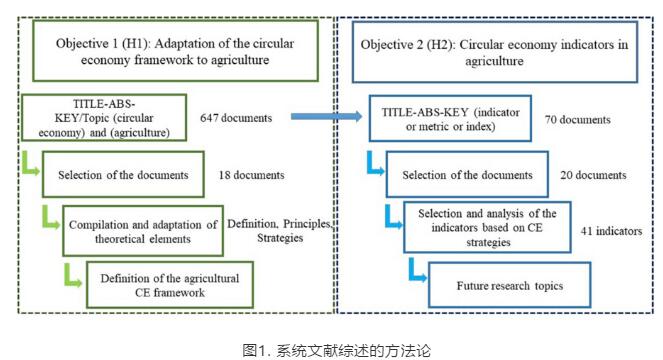
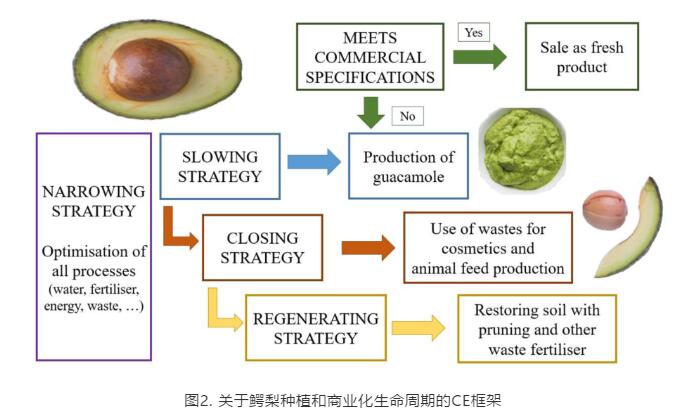
In the current context of resource scarcity, global climate change, environmental degradation, and increasing food demand, the circular economy (CE) represents a promising strategy for supporting sustainable, restorative, and regenerative agriculture. A review of the literature on CE confirms the initial hypothesis that the theoretical CE framework has not yet been adapted to the field of agriculture. Therefore, this paper overcomes this gap in two ways: i) by adjusting the general CE framework to the agricultural sector’s specificities, and ii) by analyzing the scope of the indicators available for measuring agricultural production systems’ circularity performance in supporting decision-making processes. Accordingly, the different elements in the theoretical CE framework are adapted to agricultural production systems. One major contribution of this paper is the definition of CE applied to agriculture. In addition, the principles of CE are adapted to the field, and CE strategies for agricultural activity are defined. Forty-one circularity indicators for application in agricultural systems were also comprehensively assessed to determine their strengths and weaknesses. Building on the key findings, future research paths and changes at the institutional and normative levels are proposed to facilitate CE implementation in agricultural production systems. For example, internationally recognized standards and adequate units of measurement must be defined, to develop meaningful studies and determine agricultural activities’ circularity performance.